
The 3 Different Types of Baghouse Systems Explained

Choosing the right baghouse system for your industrial application can significantly impact both performance and operating costs. Each baghouse type – shaker, reverse air, and pulse-jet – offers distinct advantages and operates using different cleaning mechanisms.
Understanding these differences helps you make informed decisions about new installations, system upgrades, or replacement projects. If you have immediate questions or need a service, please call our team at (800) 473-5251.
Let’s discuss Shaker, Pulse-jet, and Reverse-jet baghouse systems in more depth:
1. Shaker Baghouse Systems
Shaker systems use mechanical shaking to clean filter bags, making them straightforward to operate and maintain.
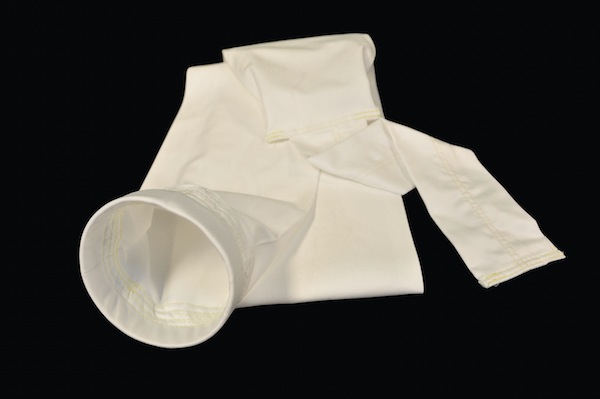
Shaker baghouses clean filters by physically shaking the entire filter assembly to dislodge accumulated dust cake. The system typically operates in compartments, with one section taken offline for cleaning while others continue filtering. During the cleaning cycle, mechanical shakers vibrate the bag assembly, causing dust to fall into collection hoppers below.
The shaking mechanism usually consists of a motor-driven eccentric or cam system that creates controlled vibration patterns. Cleaning cycles are typically longer than other systems, often running for several minutes, but they’re less frequent – usually occurring every few hours depending on dust loading conditions.
Advantages of Shaker Systems
Shaker systems excel in applications with moderate dust concentrations and where simplicity is valued. They require no compressed air supply, which eliminates the need for air compressors, moisture separators, and associated maintenance. This makes them particularly attractive for facilities without existing compressed air infrastructure.
These systems handle fibrous or stringy materials well, as the gentle shaking action doesn’t create the sudden pressure differentials that can drive particles deeper into filter media. Maintenance requirements are generally straightforward, with fewer complex components than pulse-jet systems.
Operating costs tend to be lower due to reduced energy consumption and simpler maintenance requirements. The bags typically last longer because cleaning is gentler, though cleaning effectiveness may be limited compared to more aggressive systems.
Limitations and Considerations
Shaker systems require bags to be taken offline during cleaning, which means you need multiple compartments to maintain continuous operation. This increases initial equipment costs and space requirements compared to online cleaning systems.
Cleaning effectiveness can be limited, particularly with sticky or fine dusts that form tenacious cakes on filter surfaces. The gentle cleaning action may not adequately remove all accumulated dust, potentially leading to gradual pressure buildup over time.
These systems work best with woven bag materials rather than felt, which limits filter media options. Bag life can be affected by the mechanical stress of repeated shaking, particularly if shaking intensity is excessive or poorly controlled.
2. Reverse Air Baghouse Systems
Reverse air systems clean filters by reversing airflow direction through individual compartments while maintaining filtration in other sections.
During normal operation, dirty air flows from outside the bags to inside, with clean air exiting through the top. For cleaning, airflow reverses in the compartment being cleaned, causing bags to collapse inward and then expand outward as normal flow resumes. This flexing action breaks the dust cake bond with the filter surface.
The system uses dampers to isolate compartments during cleaning and reverse air fans or induced draft to create the airflow reversal. Cleaning cycles are typically shorter than shaker systems but longer than pulse-jet, usually lasting 30-60 seconds per compartment.
Advantages of Reverse Air Systems
Reverse air systems provide more effective cleaning than shaker systems while still maintaining relatively gentle treatment of filter media. They can handle higher dust concentrations than shaker systems and work well with both woven and felt filter materials.
Like shaker systems, they don’t require compressed air, eliminating associated infrastructure and maintenance costs. The cleaning action is more uniform across the entire bag surface compared to localized pulse cleaning, which can extend bag life in certain applications.
These systems work particularly well for fine dusts and applications where gentle but effective cleaning is important. They can achieve lower emission levels than shaker systems due to more effective dust cake removal.
Limitations and Considerations
Reverse air systems require multiple compartments and complex damper systems to isolate sections during cleaning. This increases initial costs and maintenance complexity compared to simpler shaker systems.
The reverse air fan adds another major component requiring maintenance and energy consumption. Damper systems need regular attention to ensure proper sealing and operation, as air leaks can significantly reduce cleaning effectiveness.
Space requirements are typically larger than pulse-jet systems due to the need for multiple compartments and reverse air handling equipment. These systems may not be suitable for applications with very high dust concentrations or where continuous high-efficiency cleaning is required.
3. Pulse-Jet Baghouse Systems
Pulse-jet systems use short bursts of compressed air to clean filters while continuing to operate.
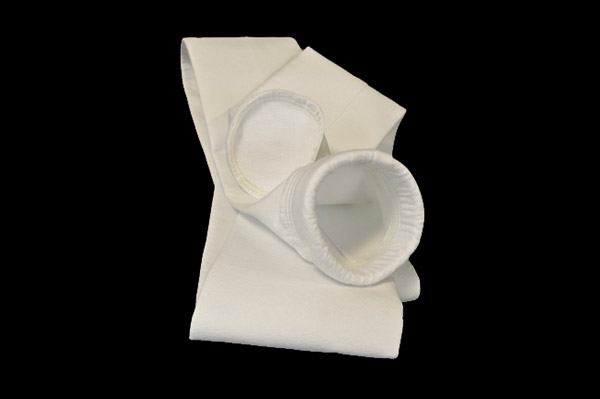
Pulse-jet systems clean filters by injecting short, high-pressure bursts of compressed air directly into individual filter bags. The sudden pressure pulse creates a shock wave that travels down the bag, flexing the filter material and breaking the bond between dust cake and filter surface.
Need to troubleshoot your pulse-jet baghouse system? The FabCo team can help!
Cleaning occurs while the system continues normal operation – there’s no need to take compartments offline. Compressed air pulses typically last 0.1 to 0.15 seconds and are controlled by solenoid valves that fire in sequence across the filter bank. The system can clean individual rows of bags or even individual bags as needed.
Related: Ways to Optimize Pulse-Jet Baghouse Performance
Pulse-Jet System Advantages
The primary advantage of pulse-jet systems is their ability to clean filters online while maintaining continuous operation. This eliminates the need for multiple compartments and complex damper systems, resulting in more compact installations and lower initial costs.
Cleaning effectiveness is superior to both shaker and reverse air systems, making pulse-jet ideal for high dust loading applications or sticky dusts that form tenacious cakes. The intense cleaning action can handle much higher air-to-cloth ratios, reducing the total filter area required.
Filter bags typically mount from the bottom and are supported by internal wire cages, creating a rigid structure that maintains consistent airflow patterns. This design allows for easy bag replacement and inspection without entering the dirty air plenum.
Energy efficiency is generally better than reverse air systems since there’s no need for separate reverse air fans. The system can respond quickly to changing dust conditions by adjusting pulse frequency and intensity.
Limitations and Considerations
Pulse-jet systems require a reliable supply of clean, dry compressed air at proper pressure (typically 80-100 PSI). This necessitates air compressors, air treatment equipment, and distribution systems that add to installation and operating costs.
Compressed air quality is critical – moisture or oil contamination can actually worsen filter performance or damage system components. Regular maintenance of air treatment equipment is essential for reliable operation.
The aggressive cleaning action can be harder on filter media than gentler systems, potentially reducing bag life if not properly controlled. However, improved cleaning effectiveness often compensates for any reduction in individual bag life.
Pulse timing and pressure must be optimized for specific applications. Excessive cleaning wastes energy and shortens bag life, while insufficient cleaning leads to high pressure drop and reduced efficiency.
Contact FabCo Industrial Services
Choosing the right baghouse system requires careful consideration of your specific application, operating conditions, and facility constraints. FabCo Industrial Services has extensive experience with all three baghouse types and baghouse filters. We perform routine maintenance, cleaning, troubleshooting, and installation support.
We bring decades of experience with shaker, reverse air, and pulse-jet systems across diverse industries, proven expertise in system selection and optimization, comprehensive service and support capabilities, extensive parts inventory for all system types, and customized solutions designed for your specific requirements.
Have baghouse system questions? Please give us a call at (800) 473-5251 or email our team at sales@fabcoind.com and we’ll be in touch shortly!
Helpful Articles:
- How Often Should Baghouse Filters Be Changed?
- Signs You Need to Replace Your Industrial Cartridge Filters
- What Are Baghouse Filter Ratings?
- Increasing Your Baghouse Capacity: Strategies and Best Practices
- How to Choose Single vs Multi Bag Filter Housings
- Cartridge Filters vs Dust Collector Bags: Pros, Cons & Applications